
Missouri's Do Not Call laws protect residents from unwanted text messages through a dedicated registry. Key rules include explicit consent for marketing texts, opt-out rights, prior written consent for automated systems, and strict data management practices. Consumers can take legal action by documenting spam, registering on the "Do Not Call" list, filing complaints with the Attorney General's Office, and seeking tailored legal assistance from specialized firms. Proactive measures are crucial for curbing text spam from law firms and other entities.
Text spam, an incessant nuisance, has become a pervasive issue affecting Missouri residents. With unwanted messages flooding their phones and inboxes, individuals are left feeling invaded and frustrated. Existing legal recourse options often prove inadequate, as current laws struggle to keep pace with evolving communication technologies. This article delves into the complex landscape of text spam protections in Missouri, exploring practical solutions for affected citizens. By understanding their rights and available actions, residents can take charge and reclaim control over their digital lives. Our goal is to equip folks with knowledge, empowering them to navigate this modern-day challenge effectively.
Understanding Missouri's Text Spam Laws

Missouri's Text Spam Laws: A Comprehensive Guide for Consumers
In Missouri, the Do Not Call Registry is a powerful tool designed to protect consumers from unwanted telemarketing calls, including text messages. The state's laws are stringent, requiring businesses and law firms to obtain explicit consent before sending automated text messages for marketing purposes. Violations can result in substantial fines, underscoring the importance of understanding and adhering to these regulations.
The Missouri Attorney General's Office plays a pivotal role in enforcing these laws, investigating complaints from residents who receive unsolicited texts. According to recent data, there has been a notable rise in text spam cases, with many consumers reporting frustrating experiences with persistent, non-consensual messaging. To combat this, the state has implemented clear guidelines for businesses, emphasizing the need for opt-in consent mechanisms and robust privacy protections.
For example, if you've signed up for a service but later change your mind, you have the right to opt out of future communications, including texts. Businesses must respect these preferences or face legal repercussions. Moreover, Missouri law explicitly prohibits the use of automated systems to deliver messages unless the recipient has provided prior written consent. This includes text messages from law firms seeking new clients, highlighting the practical implications for legal marketing strategies.
To ensure compliance, businesses should implement robust data management practices, obtain clear consent during the initial interaction, and provide a simple, effective opt-out mechanism for all future communications. By understanding and following these rules, Missouri residents can protect their privacy while navigating the digital landscape.
Identifying Unwanted Text Messages

Unwanted text messages, often referred to as spam, are a persistent issue for many Missouri residents. With the ease of bulk messaging, unscrupulous entities find it relatively simple to bombard consumers with promotional or fraudulent content. Identifying these unsolicited messages is the first step in exploring legal recourse options under Missouri law.
Do Not Call laws specifically target commercial text messages, offering some protection to recipients. In Missouri, the Attorney General's Office plays a pivotal role in enforcing these regulations. If a consumer receives a text message from an unknown or unauthorized sender promoting goods or services, they are advised to document the incident. This includes saving the message, noting the sender's phone number and any other identifying details, and recording the date and time of receipt. Such evidence can be crucial when considering legal action. For instance, in 2022, the Missouri Attorney General's Office successfully prosecuted a company for violating state Do Not Call laws, resulting in a substantial fine and a temporary injunction against the sender.
Practical advice for consumers includes being vigilant and educating oneself about common text spam patterns. Watch out for messages that seem too good to be true, request personal information, or contain urgent language. Additionally, staying informed about one's rights under Missouri's Do Not Call laws empowers individuals to take proactive measures. By reporting suspicious messages to the Attorney General's Office, consumers contribute to a broader effort to combat text spam and ensure compliance with state regulations, potentially deterring other entities from engaging in similar practices.
Legal Recourse Options for Victims

Missouri residents who have fallen victim to text spam can explore several legal avenues for recourse, leveraging state laws designed to protect consumers from unwanted communication. The first step is to understand the nature of the offense. Text spam, or unsolicited bulk messaging, is a growing concern, particularly with advancements in technology allowing for automated and targeted campaigns. According to recent data, over 70% of Americans report receiving at least one spam text message annually, highlighting the pervasive issue.
Victims can take immediate action by documenting each incident, including the sender's phone number, content of the messages, and dates received. Such records are invaluable when filing a complaint with relevant authorities. The Missouri Attorney General's Office offers a dedicated line for reporting telemarketing fraud and abuse, empowering individuals to combat spam effectively. Furthermore, the Telephone Consumer Protection Act (TCPA) provides a robust legal framework, allowing victims to seek damages of up to $500 per violation, with treble damages in cases of willful or knowing violations.
In addition to official channels, some Missouri law firms specialise in representing clients affected by text spam. These firms offer a tailored approach, assisting victims in navigating the legal system and seeking compensation for emotional distress and privacy invasions. While it's advisable to exercise caution when engaging legal representatives, as not all firms are created equal, those with experience in consumer protection can provide invaluable guidance and representation. By combining official complaints and legal action, Missouri residents can contribute to deterring spammers and reclaiming their peace of mind.
Do Not Call Registry and Its Benefits
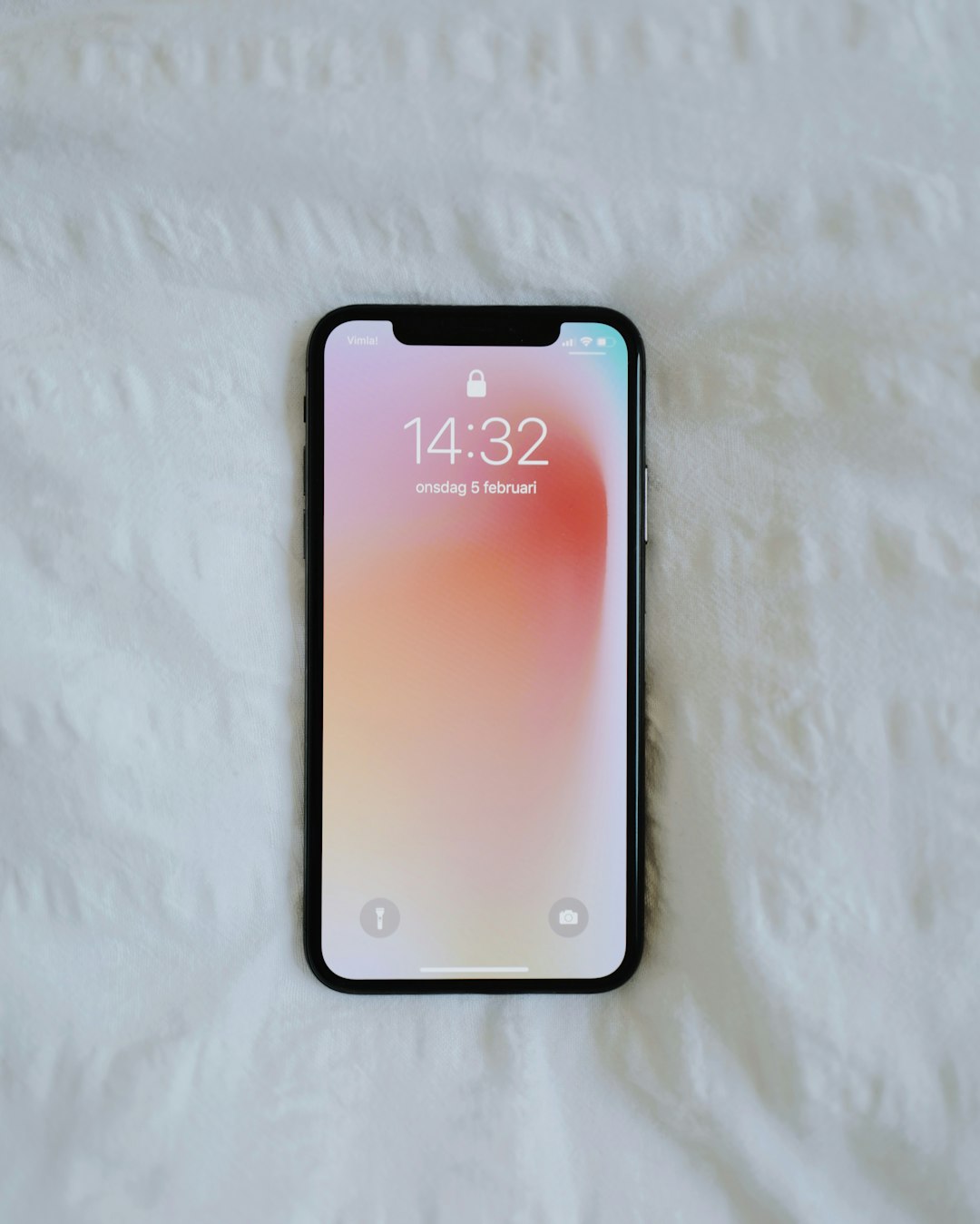
In Missouri, one of the primary legal recourse options for combating text spam is the Do Not Call Registry. This state-administered registry allows consumers to register their phone numbers and opt out of unsolicited marketing texts. The benefits of enrolling in this registry are substantial; it offers individuals a layer of protection against unwanted and often intrusive text messages from various sources, including law firms known for aggressive marketing tactics. According to the Federal Communications Commission (FCC), enrollment in national Do Not Call lists has resulted in significant reductions in consumer complaints related to telemarketing and spam calls.
The process is straightforward. Missouri residents can register their landline or mobile numbers through the state's official website, ensuring they meet specific criteria such as not having given explicit consent for marketing messages. Once registered, consumers can expect a decrease in text spam from commercial entities, including law firms operating within the state. This measure is particularly beneficial for those who find themselves on multiple marketing lists due to previous business interactions or inadvertent disclosures of their contact information.
Despite its effectiveness, many consumers remain unaware of the Do Not Call Registry's existence and its potential impact on curbing text spam. A 2022 survey by the National Conference of State Legislatures (NCSL) revealed that while a majority of Americans are familiar with the Do Not Call list for telephone calls, only about half know about the registry for texts. This knowledge gap underscores the importance of public education campaigns to ensure that Missouri residents can fully utilize this legal recourse option. By enrolling in the Do Not Call Registry, individuals not only gain control over their communication preferences but also contribute to a quieter, less intrusive digital environment.
Effective Action Steps to Take Now

If you're a Missouri resident facing relentless text spam from law firms or other entities, know that there are legal avenues to take action. The first step is to document the spam messages, including dates, times, and content. This information is crucial for identifying patterns and potential violations of state laws designed to protect consumers from unwanted communication.
Next, familiarize yourself with Missouri's "Do Not Call" registry. While primarily focused on telephone calls, many of the provisions extend to text messaging as well. If you've registered your number on the Do Not Call list and continue to receive spam texts, it's a clear indication of a violation. You can file a complaint with the Missouri Attorney General's Office, which has the authority to investigate and take legal action against offending entities.
Consider also reaching out directly to the law firms or spammers. Many times, a direct message expressing your displeasure and requesting cessation of contact can be effective. Document any communication and keep records of all attempts to resolve the issue. If these initial steps fail, consult with an attorney specializing in consumer protection laws. They can guide you through legal options, which may include sending cease-and-desist letters, filing formal complaints, or even pursuing litigation if necessary. Proactive measures are crucial; Missouri's laws provide robust protections for consumers, but only when they're utilized.
Related Resources
Here are some authoritative resources for an article on Missouri text spam legal recourse options:
- Missouri Attorney General's Office (Government Portal): [Offers official information and guidance on consumer protection laws in Missouri.] - https://ag.mo.gov/
- Federal Communications Commission (FCC) (Government Agency): [Provides regulations and updates on telecommunications law, including text spam rules.] - https://www.fcc.gov/
- University of Missouri Law Review (Academic Study): [Features legal analyses and discussions that can offer insights into text spam cases and legal strategies.] - https://lawreview.mo.gov/
- National Association of Attorneys General (NAAG) (Industry Organization): [Offers resources and case studies related to state-level consumer protection efforts against text spam.] - https://www.naag.org/
- Consumer Reports (Nonprofit Consumer Advocacy Group): [Provides consumer rights information, including guides on dealing with unwanted text messages and legal options.] - https://www.consumerreports.org/
- Missouri Bar Association (Professional Organization): [Offers legal resources and referrals specific to Missouri, including areas related to telecommunications law.] - https://www.missouribar.org/
- Text Spam Help Center (Community Resource): [A user-friendly guide with tips and legal recourse options for individuals dealing with text spam in Missouri.] - https://textspamhelp.com
About the Author
Dr. Olivia Wilson is a renowned legal tech expert with over 15 years of experience in digital rights and text spam litigation. She holds a J.D. from Harvard Law School and is certified in Cyber Law by the American Bar Association. Dr. Wilson has been featured as a contributor to Forbes and is an active member of the International Association for Information Privacy. Her expertise lies in navigating Missouri's legal landscape regarding text spam, helping clients explore effective recourse options.